


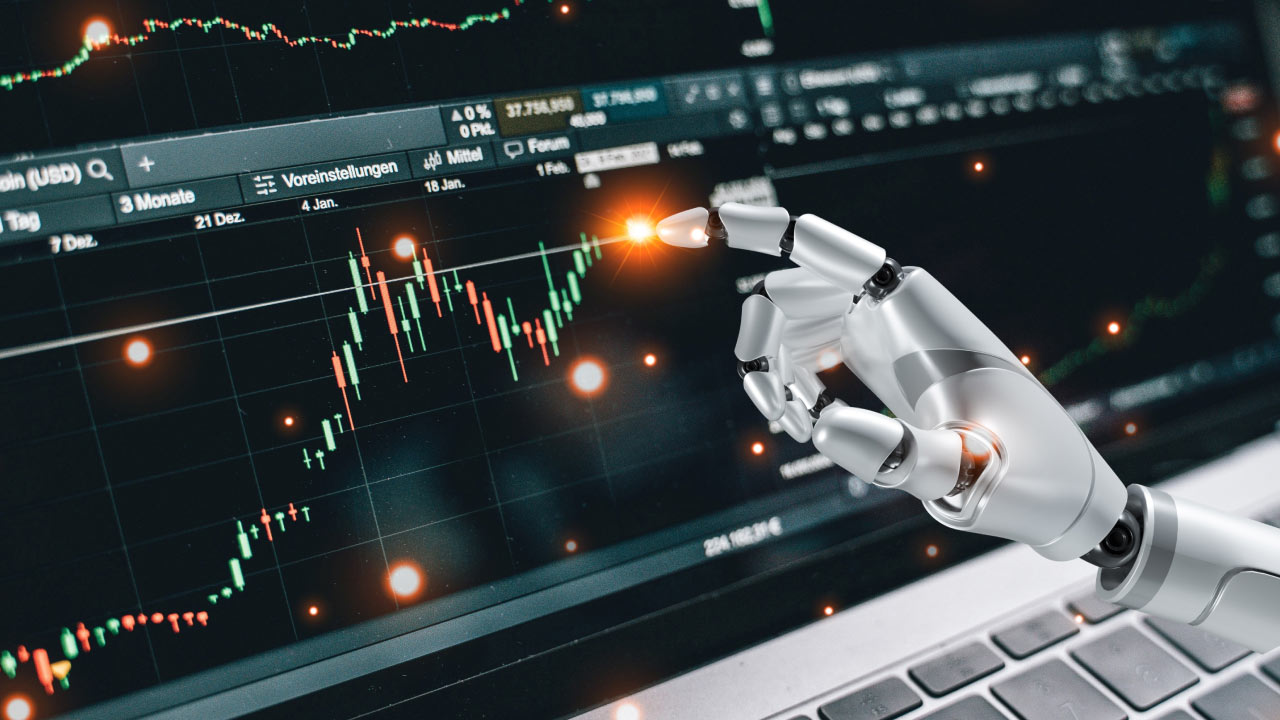
Behind any successful futures trader lies a patient combination of skill, discipline, and an understanding of market movements. One very powerful way to get these same blend of necessary capacities is engaging in paper trading. People just getting their feet wet with the business of trading often ask themselves, "what is paper trading?" And the answer is laughably simple. Paper trading is a simulator for the real market, and it allows you to place trades under real market conditions without any actual money out of your pocket. Hence, a trader can pour all his or her heart and skill into one or more strategies and see the way each plays out. What is gained here stands as a solid foundation for the future trader as far as developing consistency, which will be extremely crucial for the best prop traders once the trader is funded.
Understanding What Paper Trading Is
What is paper trading? Originally, traders used to write down their trades on a piece of paper in order to keep track of their standing and mechanism of operating without risking significant sums of money. These days, almost all types of software are available for real market simulation such as MT5, TradingView, and custom platforms from a few of the prop firms. In other words, these simulators mirror live conditions, indicators, and procedures. That's where the importance of paper trading lies.
Why Paper Trading is a Teaching Tool for Making Skills
1) Safe Environment for Learning
By making mistakes without the damnation of loss, a beginner can learn and develop core understanding of how futures react across different market setups, for his or her actual trade except for losing fear.
2) Strategy Testing and Optimization
Resistance to falling markets, mitigation for ranges, or the continuation of the trends—these strategies could be checked with some form of fresh insights using paper trading to test the model. When adjustments are made to the entry, the stop loss and exit criteria with underlying reasons, a trader can fine-tune techniques before adopting them in the real market effectively.
3) Discipline and Control of Emotion
Even in simulated trading, a trader learns a thing or two about fortitude. How to control emotions, arithmetic about a trade plan, and risk and money management are qualities looked at by high-profile prop trading firms for futures.
4) Awareness of Platform and Tools
Knowledge in the area mentioned above contributes to skill. So MT5 has to be mastered and a fighter is born in any trader in time. Skills in reading and trade instruments and use of MT5 indicators is a difference between struggling at the prop firm showcase and hitting the bull's eye.
The Relation of Paper Trading Thus Prepared To Challenges At The Best Prop Firms for Futures
Standing foremost of such prop firms are consistently dead in their welfare in this issue of judging eager traders for fundraising. They would, by some or other ways, assess the trader on the basis of able trading, risk control, and trading within their rules, where the customer trains. Therefore, from this simple point of view, it is already very beneficial to start paper trading.
Performance Monitoring: Which means traders have ability to rely on past paper trade records to prove an unvaried consistency as a potential recruit with the best prop firms for futures.
Risk Management Actions: As concerns prop firms again, the kind of people they are, they set their rules on this to isolate every possible chance of opulence from trading tricks practiced without contango (paper trading, in this regard).
Validating the Trading Strategy: Using the technical education of bands such as simple moving averages, Bollinger Bands, RSI, and MACD help with strategy acquisitions in various market options.
Building of Confidence: Simulated-training-pressure prevalent somewhere really grooms all participants for real markets when faith is checked by actually sticking to their strategies; by doing so, emotional desires are likely under protective custody nowadays.
Operations with Paper Trading Opening for Prop Firm Success
1. Establish a simulated account: Use MT5 or another lighthouse which provides traders with live market information, to familiarize with futures trading.
2. Write a trading plan: Develop objectives, risk constraints, and tactics to constitute the initial steps for planning before implementation. Take paper trading seriously.
3.Track and analyze performance: Keep a good trading journal, recording the rationale behind trades and the outcomes of such trades.
4. Management of risk: Implément your strategy, applying reasonable leverage and stop-loss, sizing, and meanwhile knowing first whether these parameters could fit best for yourself when joining a prop firm.
5. Start Prop Firm review: If you remain profitable in such a disciplined manner for a longer time in the eye of the paper trading dealer, apply to some of the best prop firms for futures. The track record was fine while you have been acquiring the experience on how to trade in the real world.
How to Cond-ense the Maximum Benefit through Paper Trading
Deal with paper trades as you would real money trades.
Learn one or two easy strategies properly.
Do not let direct intuition entirely guide your entry and exit decisions; rather, count on your analysis for making such an order.
Increase your simulated trading size on a lower slope in order to acclimatize yourself to the mental state of trading real money in the trade.
Review every trade to further develop strategies and find areas for improvement.
Conclusion:
Knowing what paper trading entails is a right and solid way for anyone to go in futures trading. This structured way of experience allows a person to channel all their energies toward strategy development, embedded in discipline, and encouraging confidence. Achieving success with paper trading requires showing consistency and risk management as well as psyching oneself strategically towards learning how to fit the needs of the more refined prop firms of futures; thus, any trader could be easily seen as dependent on his or her educational 'gossip' from a mere receivable stance into an esteemed acumen for professional trading success.
